This story was excerpted from Anne Rogers’ Royals Beat newsletter. To read the full newsletter, click here. And subscribe to get it regularly in your inbox.
KANSAS CITY — Wednesday marks the end of a long and hot homestand for the Royals, with nine games in a row in sunny, steamy temperatures. The homestand started with six consecutive games of 96 degrees or above at first pitch, the longest such streak in Royals history, and the longest such streak by any team since the Rangers played seven consecutive games at Globe Life Park from July 20-26, 2018.
Monday brought a reprieve, if you want to call it that, of 84 degrees at first pitch, but Tuesday was right back to 99 degrees.
This is baseball, so it’s meant to be played outdoors in the summer. High heat is not unusual. The players are used to it and know how to grind through it when it starts to wear on them.
“I told my family the other day that this feels like Texas summer ball games as a kid,” shortstop Bobby Witt Jr. said.
For the first week of September, though, it was fairly unusual, and it meant the Royals had to stay on top of their hydration, nutrition and work in order to be ready every day.
“We try to look ahead,” strength and conditioning coach Luis Perez said. “We knew this week was going to be brutal.”
Preparation and recovery are key to beating the heat. Every player knows how much hydration he needs based on how he sweats, the results of a “sweat test” that is conducted in Spring Training and only needed once because the results won’t change: You’re either a low-sweat, medium-sweat or high-sweat person. The test examines how many milligrams of sodium per liter of sweat one loses, and the Royals use a stoplight system for players to understand the number.
“Green means low, yellow means you’re somewhere in the middle, and red, you need a lot more sodium than just salt in your food,” Luis Perez said.
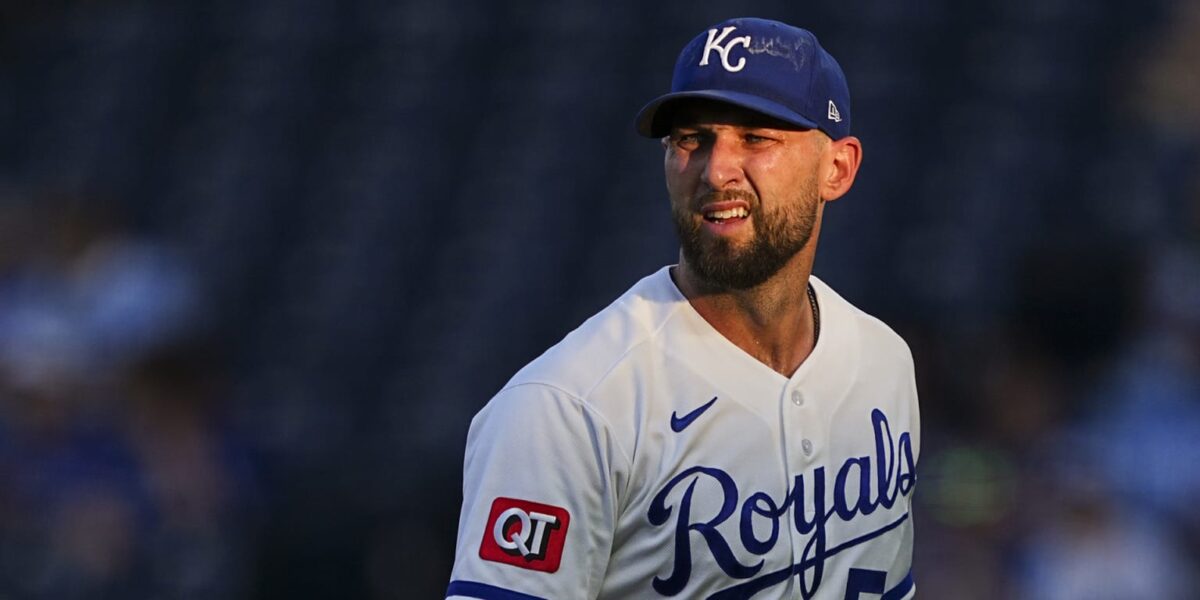
The Royals use that test to prepare hydration drinks — a mix of sodium, magnesium, potassium and other supplements — for each player when they arrive at the ballpark. Some players need more, like starter Michael Wacha, while others can get by with water and Gatorade (Witt and Salvador Perez fall in this category). Team nutritionist Erika Wincheski and the Royals’ staff ensure each individual player has what he needs each day.
“If you mix in sodium and electrolytes, then you don’t have to pound water or feel like you have to drink a ton of volume,” Luis Perez said. “Let’s find out what you actually need.”
Postgame, players are weighed to see how much weight they lost during the game, which tells them how much they need to replenish through hydration and nutrition. A well-balanced diet that includes carbohydrates is crucial.
“I sweat a lot and lose a lot of weight during starts, so it’s important to fuel back up after each outing,” Wacha said. “Get back to your normal weight and normal hydration levels leading into the next start.”
On the field, the Royals limit their pregame work but don’t ignore it because they don’t want to be outside for the first time during the game. With long stretches of games like this, coaches individually stagger workouts based on what a player wants: One day, a player might hit inside but get some defensive work outside. The next, he might hit outside but not do defense. Pitchers are still playing catch and conditioning outside.
“You have to feel it,” Luis Perez said. “We’re still going out there, still running, still doing conditioning, because the last thing you want to do is just not get hot until you have to play. And then it will really hit you in the face.”
Once the players are on the field, it’s business as usual … except the grass is noticeably hotter during stretches like this. Multiple players remarked that they can feel it through their cleats. In between innings or at-bats, players will seek out towels to wipe the sweat off, fans blowing in the dugout or the air conditioned batting cage. Some change jerseys if they get too heavy. Carb-heavy snacks are available.
“It’s so humid that I’m just so sweaty,” Vinnie Pasquantino said. “I can’t get my hands dry. My arms are just, like, wet.”
One of the challenges this week has been out in the bullpen, which gets no air in the right-field corner. The turf has registered up to 160 degrees at times. Relievers will spend the first part of the game tucked away in the grounds crew office beside the bullpen until they need to start warming up.
“By the time the bullpen gets in the game, the rosin is wet, too,” reliever Jose Cuas said. “I grab dirt to get the sweat off. I pitch with sleeves to avoid sweat dripping down. But it’s pretty much just a battle.”
The good news? The Royals are headed to Boston this weekend, with temperatures in the 70s. And then they play in Houston, which has a roof.
“That’s going to feel real nice,” Cuas said.